For many first-time parents, navigating the healthcare system can be overwhelming—especially when language barriers and limited access to care stand in the way. One young mother in the Nurse-Family Partnership (NFP) program recently faced this challenge when her infant began experiencing persistent vomiting.
Worried for her baby’s health, the mother attempted to reach her pediatric clinic but encountered numerous roadblocks: unanswered calls, unreturned voicemails, and finally, an appointment delay of more than two weeks. As a Spanish-speaking parent, she struggled to communicate her concerns and felt she had no choice but to take her child to the Emergency Room. Thankfully, she had a scheduled home visit that day with Kathy, her NFP nurse.
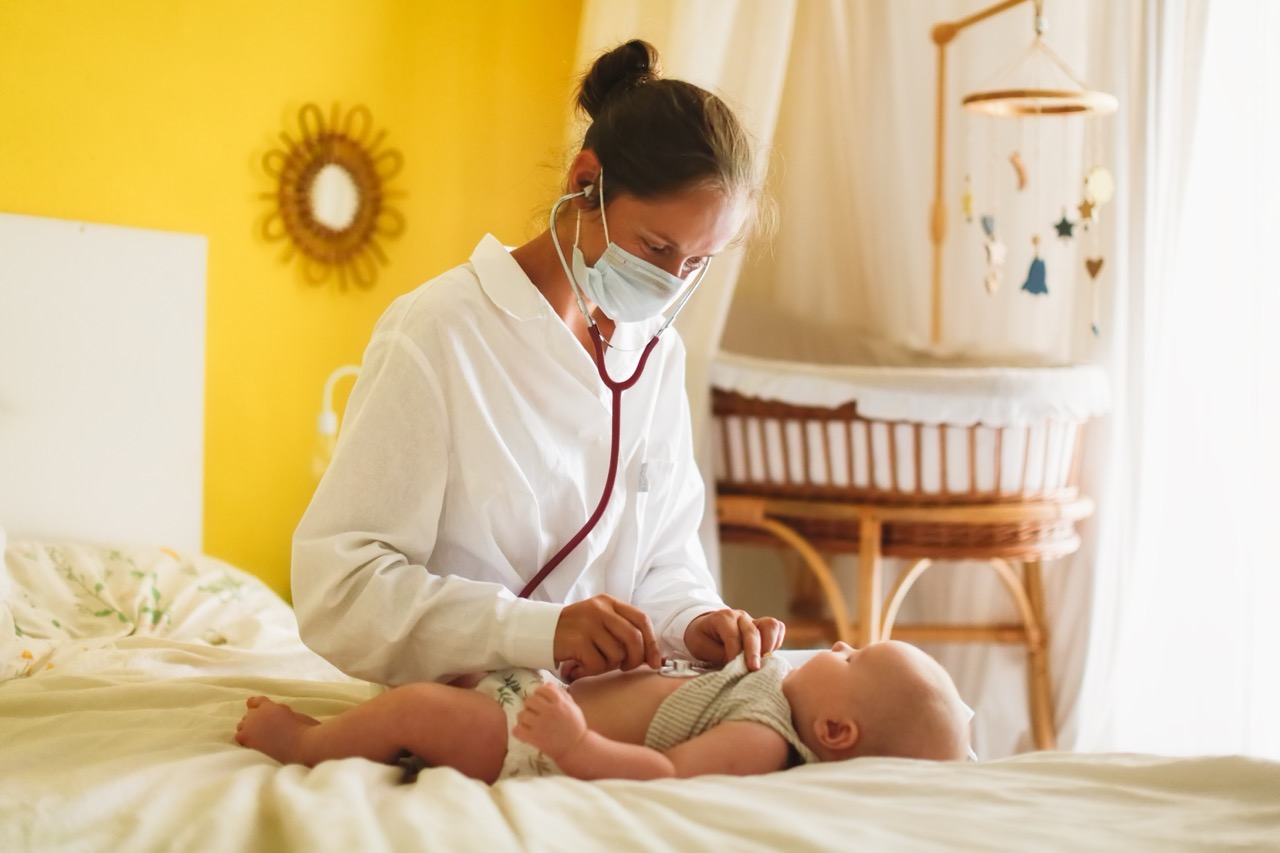
Kathy immediately stepped in to assess the situation. Using her clinical expertise, she triaged the baby for signs of dehydration and determined that while the child didn’t need emergency care, a same-day pediatric appointment was still important. Taking the next step, Kathy called the clinic directly, connected with a Prisma Health interpreter, and advocated for the family. With her persistence and support, she successfully secured a same-day appointment for the infant.
By combining trusted clinical judgment with compassionate, culturally responsive support, Kathy helped the family avoid an unnecessary ER visit—saving time, stress, and resources, while reinforcing the mother’s confidence and connection to care.
This story is just one example of how Nurse-Family Partnership nurses not only deliver essential health guidance but also break down barriers that often prevent families from receiving timely, appropriate care.
By combining trusted clinical judgment with compassionate, culturally responsive support, Kathy helped the family avoid an unnecessary ER visit—saving time, stress, and resources, while reinforcing the mother’s confidence and connection to care.